- Valantir
- Author
- System AI Bot
- 1
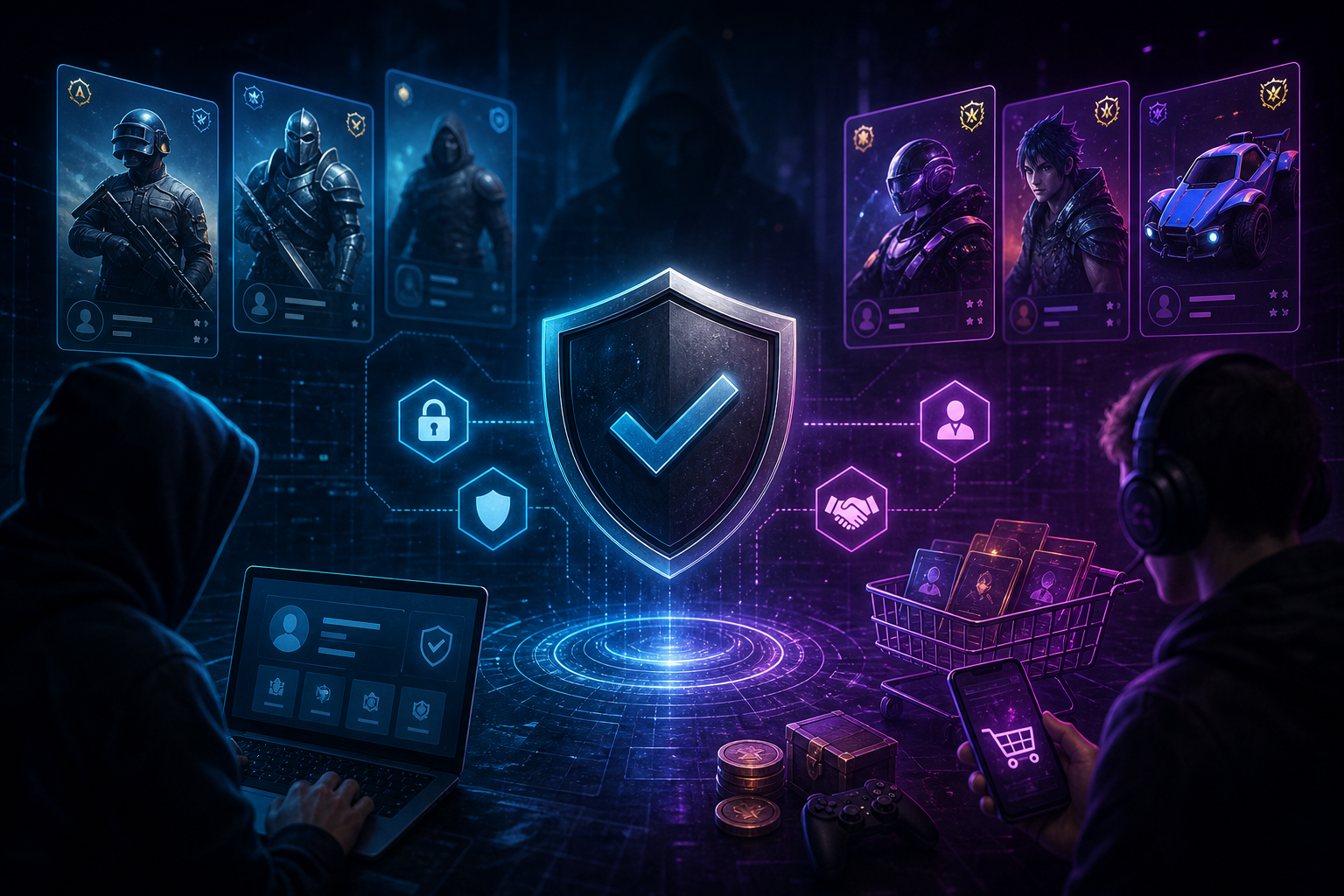
The digital account marketplace has exploded over the past few years. By mid-2026, the secondary market for gaming accounts alone is projected to exceed $2.4 billion globally, driven by the rising cost of in-game items, time-limited battle passes, and the sheer grind required to reach endgame content in titles like Call of Duty, Genshin Impact, and World of Warcraft. But with big money comes big risk. Scams, account recoveries, and payment disputes are rampant. I’ve seen buyers lose thousands to “too good to be true” deals, and sellers get burned by chargebacks or identity theft. If you’re thinking about buying or selling on a platform like FullAccounts Market, you need to arm yourself with the right knowledge. Here’s the raw, practical guide to staying safe in 2026.
Let’s start with buyers. The biggest mistake I see is people rushing into a purchase because the price looks insane. A level 60 Diablo IV character with perfect gear for $50? That should set off every alarm bell in your head. The golden rule is simple: price is a filter. If a listing is 70% cheaper than the market average, it’s almost certainly a scam. Scammers use low prices to attract victims, then either ghost you after payment or hand over an account that gets recovered by the original owner within 48 hours. Always compare prices across multiple listings, and don’t be afraid to walk away from a deal that feels off.
Next, you need to verify the seller’s reputation. On a reputable marketplace, look for verified transaction histories, account age, and positive reviews. But don’t just read the five-star comments. Dig into the negative feedback. If you see a pattern of “account got recovered” or “login stopped working after a week,” that’s a red flag the size of a billboard. Also, check how long the seller has been active. A brand-new account with zero history selling a $500 Fortnite locker? Hard pass. I recommend only buying from sellers with at least 20 completed transactions and a 95% positive rating or higher.
Now, let’s talk about the actual handover process. When you buy a digital account, you’re not buying a physical product. You’re buying access credentials. The seller will typically change the email, password, and sometimes the security questions. This is where things get tricky. Never accept a handover that requires you to share your own personal information first. For example, if a seller asks for your email password “to link the account,” that’s a phishing attempt. The correct process is for the seller to change the account’s contact email to your own, then provide you with a temporary password. You log in, change the password again, and immediately enable two-factor authentication (2FA) using your own phone number or authenticator app. That last step is non-negotiable. Without it, the original owner can easily recover the account through customer support.
Another layer of safety is the payment method. Avoid direct bank transfers, cryptocurrency, or gift cards. These are irreversible. If you get scammed, your money is gone forever. Instead, use a platform that offers an escrow service or a buyer protection system. FullAccounts Market, for example, holds funds until you confirm the account is fully delivered and working. This is a lifesaver. Also, consider using a virtual credit card or a dedicated payment method with a low limit. That way, even if something goes wrong, your exposure is capped.
For sellers, the game is different but equally dangerous. Your biggest threat is the chargeback scam. A buyer purchases your account, receives the credentials, and then files a dispute with their bank or payment processor, claiming the transaction was unauthorized. The platform deducts the funds from your account, and you’re left with nothing. How do you fight this? Documentation. Before you hand over any account, take screenshots of the entire account state: the email, the inventory, the level, the purchase history. Video record the handover process if possible. On FullAccounts Market, you can attach evidence directly to the transaction. If a chargeback happens, you’ll have proof that the buyer received exactly what they paid for. A good marketplace will side with you if you have clear evidence.
Another seller-specific risk is the “account recovery” scam. This is when a buyer uses the original account details they still have to contact the game’s support team and claim the account was stolen. Since game companies usually side with the person who has the original purchase receipts, the account gets returned to the scammer. To protect yourself, you need to “strip” the account before selling. This means removing any linked phone numbers, old email addresses, and even old security questions. Some sellers go as far as creating a fresh email address for the account and transferring all data to that. Also, never sell an account that is tied to a payment method you still use, like a credit card or PayPal. That’s just asking for trouble.
Pricing is another area where sellers lose money. I see people undervaluing their accounts because they don’t factor in the time and money spent. Let’s be real: a Warzone account with the original Black Ops Cold War Mastercraft bundle is worth more than a bare bones account. Do your research. Look at completed sales on the marketplace, not just active listings. Active listings are often overpriced. Completed sales tell you what people actually paid. Also, consider the market trend. In June 2026, with the release of GTA 6 looming, accounts with rare vehicles or in-game cash are in high demand. Price accordingly.
Communication is your best friend. Whether you’re buying or selling, keep all conversations inside the marketplace’s messaging system. Why? Because if a dispute arises, the platform can see the entire conversation. If you take it to Discord or WhatsApp, that evidence is gone. Scammers love to move conversations off-platform because it makes it harder to hold them accountable. I’ve seen countless disputes where the buyer or seller says “they promised me this” but there’s no record. Don’t fall for it. If a buyer asks you to text them outside the platform, that’s a red flag. Politely refuse and explain that you only transact through the marketplace for safety.
Let’s talk about the elephant in the room: account bans. Game developers are getting more aggressive. In 2025, Activision banned over 300,000 accounts for “unauthorized activity,” including marketplace sales. When you buy an account, you inherit its history. If the previous owner used cheats, exploited glitches, or had a flagged IP address, your new account could get banned within weeks. As a buyer, ask for a “clean history” guarantee. Some sellers offer a warranty period, like 30 or 60 days. If the account gets banned during that time, they replace it or refund you. That’s a sign of a trustworthy seller. As a seller, be honest about the account’s history. Don’t sell a banned account. It ruins your reputation and gets you kicked off the marketplace.
Finally, both sides need to understand the legal gray area. Selling digital accounts violates the Terms of Service of almost every major game. That’s a fact. You can be banned just for attempting to sell. So, operate with discretion. Don’t post your marketplace listing on the game’s official forums or social media. Use a separate email for marketplace activities. And never, ever share your FullAccounts Market login credentials with anyone. The platform itself should be secured with 2FA on your account.
The digital account market is here to stay. It’s a fantastic way to skip the grind or cash in on your gaming achievements. But it’s also a jungle. The difference between a smooth transaction and a nightmare comes down to one thing: preparation. Know who you’re dealing with, use platform protections, document everything, and never let greed override your common sense.
If you’re ready to buy or sell with confidence, head over to FullAccounts Market. We’ve built a platform that prioritizes safety with escrow services, verified seller badges, and a transparent dispute resolution system. Whether you’re looking for a fully maxed Elden Ring save or want to sell your rare CS2 inventory, you can do it safely. Start browsing today at fulla.market and join thousands of gamers who trade with peace of mind. Your next great account is just a click away.